The Tale Driving Bottega Desires: Roots & Character
Every label has an origin point, a purpose beyond mere existence beyond simply selling clothes, and Bottega Desires is no exception. The name alone prompts intrigue, sitting close enough to a certain Italian high-fashion label that shoppers naturally ask questions before they ask about sizing or textile. Such questioning makes sense. Any shopper who types „what is bottega desires“ into a search bar should get an honest reply, not hollow brand-speak. The following piece explores where the brand sits in the current fashion landscape, what it really provides, and how it stacks up against the name it echoes.
Making sense of a fashion brand means seeing beyond the branding and into the catalog itself: the shorts, the shirts, the hoodies, the jorts, and the casual staples that make up a wardrobe. It also means leveling with shoppers about what the customer gets and why it matters. Below, we break down the identity of Bottega Desires item by item, without overstating anything or inventing details that don’t belong to the brand.
The Name’s Backstory
Bottega Desires positions itself within the streetwear-meets-casual-luxury space that has built momentum steadily since 2020. The name trades on a sense of the familiar, borrowing the cadence of established Italian fashion houses while forging its own distinct character around comfort-driven basics. This is a well-worn approach in today’s fashion branding: use a recognizable phonetic pattern, then build into it a separate bottega desires t shirt design ethos.
The brand’s core identity leans into laid-back, casual wear rather than formal tailoring or runway-driven design. People who look up bottega desires clothes are usually after relaxed layering items, not dressy attire or structured suits. Such a distinction counts because it shapes expectations before a single item ever reaches a cart.
Fashion origin stories tend to evolve rather than stay fixed, and labels reshape themselves as demand shifts — Bottega Desires is no exception, growing beyond a small range into a wider lineup spanning multiple categories. The shift from a niche label to a broader lifestyle label didn’t happen in a single leap; it happened through incremental additions to the lineup, season after season.
The Product Lineup: Shorts, Shirts, Hoodies, Jorts
What sits at the center of any fashion brand is its product lineup, and Bottega Desires forms its identity around four core categories. Bottega desires shorts function as a summer-ready basic, designed for low-key hangouts not workout use. Bottega desires shirt choices round out the top-half wardrobe, typically statement-driven or lightly logoed depending on the drop. Bottega desires hoodie garments carry the label’s cold-weather identity, frequently the top-searched piece in the lineup per typical streetwear demand data. Bottega desires jorts — the denim-and-short crossover — complete the hot-weather lineup and often attract attention largely because the jort shape has resurged widely across everyday fashion since 2022.
Each category exists to serve a specific wardrobe need rather than trying to follow every fleeting trend at once. That focus is worth noting: a brand that tries to be everything to everyone usually weakens its own brand identity. Bottega Desires, in contrast, appears to concentrate on a small set of recurring cuts and remix them across seasons.
- Short-style pieces — relaxed, daily-wear shape aimed at hot-season wear
- Shirt-style pieces — bold and subtle prints for everyday use
- Hoodies — layering garment positioned as a year-round anchor
- Jorts — denim-and-short hybrid mirroring today’s casualwear trends
This sort of focused catalog structure is common among direct-to-consumer fashion brands built after 2018, when the direct-to-consumer approach reached maturity and newer brands discovered that a focused, recurring catalog tends to outsell an excessively sprawling one.
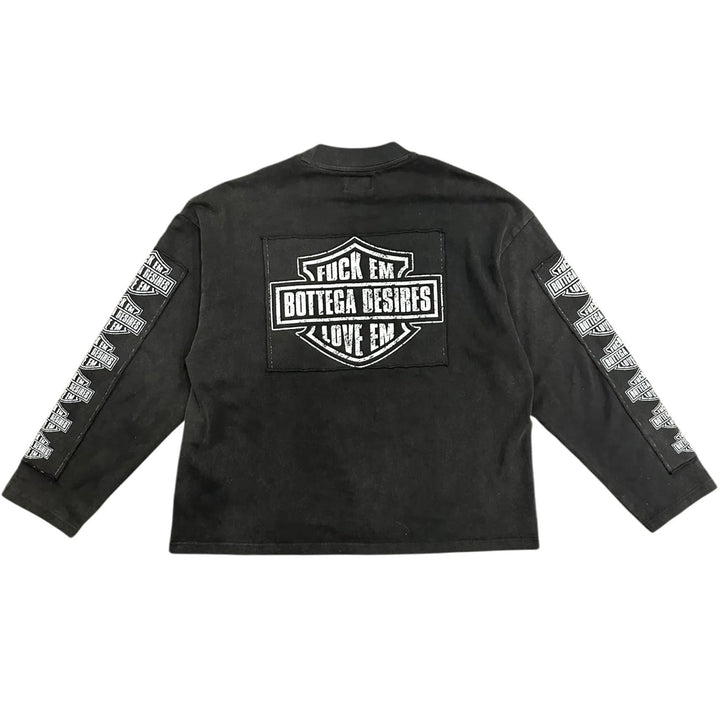
Assessing a Bottega Desires Feedback Piece Honestly
Any bottega desires review appearing online in 2026 should be read with the same critical eye applied to any DTC apparel brand: verify consistency across many sources, not just a one-off account. Feedback on casual apparel labels tend to group around three themes— sizing accuracy, fabric weight, and delivery experience. Those three factors matter more to loyal shoppers than promotional wording ever will.
Buyers ought to view individual reviews as data points, not conclusions. A single five-star post says not much; a recurring signal across many reviews says more. When digging into bottega desires review material, it helps to zero in on comments referencing size guides, since casual apparel labels often run either accurate-to-size or slightly oversized, and the distinction changes how a hoodie or short actually sits on the body.
It also bears mentioning that the amount of feedback accumulates over time. A brand active for a few years will naturally accumulate more feedback than one still establishing its buyer base. That by no means makes early reviews invalid, but it does mean the sample size shapes how trustworthy any summary can be.
Bottega Desires vs Bottega Veneta: Separating Two Identities
Stacking up bottega desires vs bottega veneta comes up constantly, and it merits a plain and accurate answer rather than a dodge. Bottega Veneta ranks as an Italian luxury house founded in 1966 in Vicenza, internationally recognized for leather goods, the intrecciato weave, and price brackets that regularly run into the thousands of dollars for handbags and accessories. Bottega Desires occupies an entirely different market tier, focused on casual streetwear — shorts, shirts, hoodies, jorts — at cost levels designed for everyday apparel shoppers rather than luxury accessory buyers.
The two are not affiliated, and shoppers searching for bottega veneta desires as a combined phrase are often trying to determine exactly that: whether the two names are connected between the two names. That connection does not exist, based on the product category, pricing structure, and target customer each brand serves. Bottega Veneta works within high-fashion runway cycles and fine leather craftsmanship, while Bottega Desires focuses on casual apparel made for everyday wear.
The chart that follows outlines the real-world distinctions shoppers should take note of.
| Point of Comparison | Bottega Desires | Bottega Veneta |
|---|---|---|
| Category | Everyday streetwear pieces (shorts, shirts, hoodies, jorts) | High-end leather goods and designer apparel |
| Founded | A modern label born out of the streetwear scene | Vicenza, Italy, 1966 |
| Typical Price Tier | Everyday apparel pricing | Premium pricing that regularly hits four figures |
| Primary Buyer | Casualwear and streetwear shoppers | High-end fashion and accessory shoppers |
| Ownership | A standalone label | Held under the Kering group umbrella |
This comparison makes the distinction obvious: two brands sharing a naming echo but serving completely separate corners of the fashion market. Shoppers who understand this upfront can make more informed buying choices instead of assuming a shared pedigree that doesn’t exist.
What Shoppers in 2026 Should Take From This
For shoppers browsing in 2026, the bottom line is clear: Bottega Desires is a streetwear-focused brand building its own identity around shorts, shirts, hoodies, and jorts, not an offshoot of an Italian luxury house. This distinction is important when forming expectations around fabric, pricing, and general brand positioning before checkout.
Buyers looking for streetwear basics — a hoodie for layering, a shirt for daily rotation, shorts or jorts for warmer months — are exactly who this brand is designed for. Buyers hunting for structured leather goods or formal luxury pieces are simply in the wrong market segment, and that’s not a criticism of either brand; it’s simply a difference in category.
As the casualwear market keeps expanding heading further into 2026, brands like Bottega Desires will likely keep refining their core lineup rather than chasing luxury positioning they were never built for. Knowing that distinction upfront helps shoppers form grounded expectations and make a purchase decision based on reality rather than assumptions drawn from a name that merely echoes another.